News
Are Disposable Vapes Bad for Your Lungs? An Honest Aussie Guide
If you’re picking up a vape, chances are you’ve had your fair share of darts or still enjoy the odd ciggie. Maybe you’re chasing a smoother alternative, trying to quit smoking altogether, or just curious about what vaping is doing to your lungs.
The big question is simple: Are disposable vapes bad for your lungs? In this Aussie-focused guide, you’ll get straight answers – no scare tactics, no fluff, and no sugar-coating.
Key Takeaways – What Disposable Vapes Do to Your Lungs
- Disposable vapes are generally less harmful than cigarettes, mainly because they don’t burn tobacco or produce tar and carbon monoxide.
- They are not harmless. Vaping can irritate your throat and lungs, and heavy use may lead to inflammation and breathing issues.
- Long-term effects on lung health are still not fully known because vaping hasn’t been around for decades like smoking.
- Buying authentic, compliant products in Australia and vaping in moderation can reduce some risks – but the safest option for your lungs is still not to smoke or vape at all.
- If you have existing lung problems, are pregnant, or feel ongoing symptoms when you vape, you should talk to your GP or a respiratory specialist.
Related Article
- Analysis of Flavor Fading in Disposable Vapes
- Are Disposable Vapes Safe? A Complete Guide
- What Are the Long-Term Effects of Vaping?
What Are Disposable Vapes, Anyway?
Before talking about lungs, it helps to understand what you’re actually inhaling.
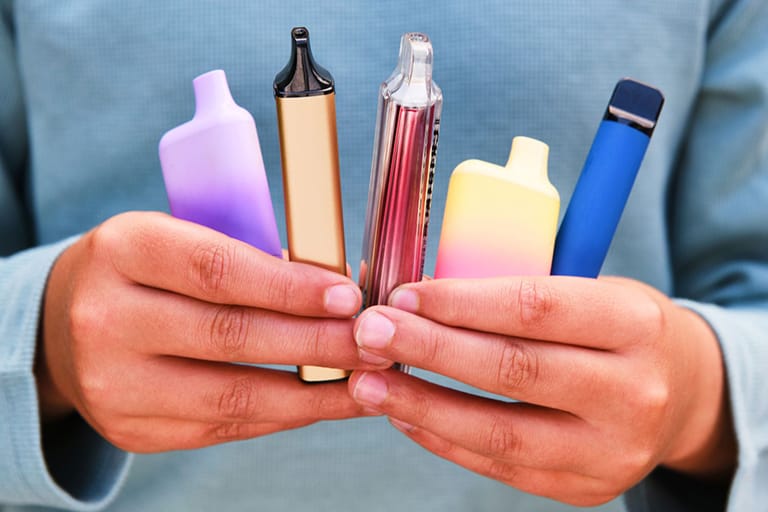
A disposable vape is a compact, ready-to-use device pre-filled with e-liquid. There’s usually:
- No buttons
- No refilling
- No charging (unless it’s a rechargeable model)
You simply puff until it’s empty, then dispose of it.
These devices have taken off with Aussie smokers because they’re:
- Easy to use
- Pocket-friendly
- Available in a wide range of flavours
Brands like IGET, RELX, ALIBARBAR, BIMO and others have become well known among Australian adult vapers for their consistency and performance.
But convenience is only half the story. What really matters is what’s happening inside your chest every time you take a puff.
What Happens in Your Lungs When You Vape?
When you take a drag on a disposable vape, you’re inhaling an aerosol – commonly called “vapour”, but technically it’s not steam. It’s created when the device heats a liquid mixture that usually contains:
- Vegetable Glycerin (VG) and Propylene Glycol (PG) – base ingredients that create the visible cloud
- Flavourings – everything from mango and cola ice to mint and tobacco-style profiles
- Nicotine – often around 5% in many disposables sold legally to prescription-holding adults in Australia
- Other additives and chemicals – to stabilize the liquid, adjust throat hit, or enhance flavour
The real debate is how this mix affects your airways and lungs over time.
“E-cigarettes are likely to be substantially less harmful than combustible tobacco, but they are not risk-free, particularly for people who have never smoked.” – Public health guidance summarised from major health authorities
Are Disposable Vapes Bad for Your Lungs?
The most accurate answer is:
Less harmful than smoking, but not safe.
Disposable vapes don’t contain tar and don’t produce the same cocktail of over 7,000 chemicals that burning tobacco does. That’s a big reason why many experts consider them a harm-reduction option for adult smokers who can’t or won’t quit nicotine completely.
At the same time, vaping can irritate your airways and lungs, and we don’t yet know the full long-term impact.
From our experience talking with Australian customers over the years, we’ve heard a mix of stories:
- Some long-term smokers say their morning cough improved after switching from cigarettes to vapes.
- Others notice dryness, chest tightness, or shortness of breath if they chain-vape all day.
Your lungs are unique – and how they respond depends on your history of smoking, how often you vape, the nicotine strength, and whether you have any underlying lung conditions like asthma.
Short-Term Lung Effects of Disposable Vapes
Common Reactions When You Start Vaping
In the short term, many people find disposable vapes smoother than cigarettes because there’s no smoke or tar. But that doesn’t mean there are no side effects.
Some users report:
- Dry or scratchy throat
- Coughing, especially when starting or switching flavours
- Mild chest irritation
- Feeling puffed more easily if they overdo it
These effects are often linked to:
- Sensitivity to PG – which can dry out the throat and airways
- High nicotine strength and frequent puffs
If you’re taking back-to-back puffs all day, your lungs and airways are constantly exposed to aerosol, which can irritate sensitive tissue.
What You Can Do About Short-Term Symptoms
If you notice discomfort when you vape, you can:
- Take fewer, more spaced-out puffs instead of chain vaping
- Consider lower nicotine strength (with guidance from a healthcare professional if needed)
- Drink more water to help with dryness
- Take a break from vaping if symptoms persist
- See your GP if coughing, wheezing, or chest pain doesn’t settle
Medium-Term Concerns – Lung Inflammation and Irritation
Early research suggests that repeated exposure to vape aerosol can cause inflammation in the airways, especially if you vape heavily over weeks or months.
Inflammation might sound minor, but over time it can:
- Wear down your lungs’ natural defences
- Make it harder for your body to clear out mucus and debris
- Affect how your lungs respond to infections and pollutants
Some studies have found changes in lung cell function in people who vape. This may slightly increase the risk of:
- Colds and respiratory infections
- Bronchitis-like symptoms in frequent vapers
For most adults who previously smoked heavily, the overall risk still appears lower than continuing to smoke, but it is not zero.
Who Should Be Extra Careful?
You should be particularly cautious with vaping if you:
- Have asthma, COPD, or other chronic lung diseases
- Experience frequent chest infections
- Are you pregnant or breastfeeding
- Are a teen or young adult who has never smoked
If you fall into any of these groups, it’s important to talk to a healthcare professional before using any vape product.
Long-Term Lung Risks – What We Know (and Don’t Know)
The Big Unknowns
Cigarettes took decades of long-term data before their full danger was obvious. Vaping, by comparison, is still relatively new.
Most experts agree on a few key points:
- Disposable vapes don’t contain tar or carbon monoxide, two of the most deadly components of cigarette smoke.
- Some potentially harmful chemicals, such as formaldehyde and acetaldehyde, have been detected in certain vape products – especially cheap or poorly made ones.
- We don’t yet have enough long-term data to say exactly what the 20–30-year impact of vaping on lung cancer, emphysema, or COPD will be.
“The safest option for your lungs is not to smoke and not to vape. For current smokers who cannot quit nicotine, switching completely to regulated vaping products may reduce exposure to some toxic chemicals.”
Serious Lung Conditions Under Investigation
Doctors and researchers are still studying how vaping might be linked to conditions such as:
- Lipoid pneumonia – a rare lung inflammation that may be associated with certain oil-based ingredients
- “Popcorn lung” (bronchiolitis obliterans) – once linked to diacetyl in some early flavoured e-liquids
- Vaping-Associated Lung Injury (often reported as EVALI or VALI) – mostly seen in the US, especially in illicit THC or black-market cartridges
In Australia, stricter controls and prescription-based nicotine access help limit some of these risks, but they don’t eliminate them entirely.
If you ever experience severe chest pain, sudden shortness of breath, or coughing up blood, seek urgent medical help.
What’s Inside a Disposable Vape and How It Affects Your Lungs
Main Components You Inhale
Here’s a closer look at the common ingredients in disposable vapes and what they may mean for your lungs:
Nicotine
- Purpose: Keeps cravings at bay and helps smokers switch away from cigarettes.
- Lung impact: Highly addictive, and while it’s not the main cause of smoking-related cancers, it can increase heart rate and blood pressure and make it harder to quit entirely.
Propylene Glycol (PG)
- Purpose: Carries flavour and helps create a smooth throat hit.
- Lung impact: Can cause dryness and irritation in the throat and upper airways, especially at higher ratios.
Vegetable Glycerin (VG)
- Purpose: Produces thicker, denser vapour clouds.
- Lung impact: Generally recognised as safe for ingestion, but when inhaled, it may thicken mucus in some users and contribute to a heavy-chested feeling.
Flavourings
- Purpose: Make your vape taste like mango, cola, mint, dessert flavours, or tobacco-style blends.
- Lung impact: Some flavouring chemicals appear safe to eat but may be irritating when inhaled. Compounds like diacetyl (once used in buttery flavours) have been associated with lung problems in other industries.
Contaminants and Impurities
- Purpose: None – these are unwanted. They tend to show up in counterfeit or low-quality products.
- Lung impact: May include heavy metals or harmful solvents if manufacturing quality is poor or devices are tampered with.
That’s why choosing authentic, well-manufactured devices from reputable brands matters for your lung health.
Vaping vs Smoking – Which Is Worse for Your Lungs?
If you’re a smoker thinking about switching, this is usually the key comparison.
Most public health organisations and government departments, including those in Australia, agree on the following:
- Smoking combustible cigarettes is extremely harmful to your lungs and overall health.
- Vaping is likely to be significantly less harmful than smoking, mainly due to the absence of tar and reduced levels of many toxic chemicals.
- Vaping is not risk-free, and non-smokers – especially young people – should not start vaping.
Many ex-smokers who switch completely to vaping report:
- Easier breathing over time
- Less persistent cough
- Better sense of taste and smell
From our conversations with Australian customers over the years, we’ve seen people who were smoking a pack a day manage to cut down or completely stop smoking cigarettes after moving to regulated disposable vapes. However, every person’s journey is different, and cutting down or quitting nicotine entirely is still the best long-term option for your lungs.
If you want to explore the bigger picture of overall vape safety, it’s worth reading guides like “Are Disposable Vapes Safe? A Complete Guide” and articles about the long-term effects of vaping, which look at more than just the lungs.
What Lung Doctors and Health Experts Are Saying
Pulmonologists (lung doctors) and respiratory specialists tend to be cautious when it comes to vaping. Many of them recognise vaping as a harm-reduction tool for committed adult smokers, but they also warn about:
- Unknown long-term effects on lung tissue
- Potential for young, never-smoking users to become nicotine-dependent
- Serious, but relatively rare, cases of vaping-related lung injury linked mainly to dodgy or illegal products
In Australia, nicotine vapes must meet stricter standards than many overseas markets, and authorised retailers focus on products that are genuine and compliant. Even so, lung specialists usually agree on two key principles:
“If you don’t smoke, don’t start vaping. If you do smoke, completely switching to regulated vaping products may reduce harm – but quitting both smoking and vaping is best for your lungs in the long run.
If you live with asthma, COPD, or any chronic breathing condition, you should consult your GP or specialist before using a vape of any kind.
Vaping and Lung Health in Australia
Why the Australian Context Matters
Australia has its own approach to nicotine and vaping:
- Nicotine vapes for adults generally require a valid prescription.
- Products are expected to meet specific safety and quality standards.
- There is increasing focus on keeping nicotine vapes out of the hands of young people while supporting harm reduction for current smokers.
For Australian adults who already smoke, this can make vaping a more controlled and potentially lower-risk option when compared to continuing to buy cigarettes.
If you’re looking for more detailed background on how disposable vapes work and which brands are trusted in the Australian market, articles like “Are Disposable Vapes Safe? A Complete Guide” and “Analysis of Flavour Fading in Disposable Vapes” can help you understand device quality, e-liquid stability, and performance over time.
How to Reduce Lung Risks If You Vape
If you’re going to vape, there are practical steps you can take to look after your lungs as much as possible.
Use Vapes Sensibly
- Avoid chain vaping. Give your lungs breaks between sessions instead of puffing non-stop.
- Watch your nicotine strength. Extremely high strengths might keep you satisfied but can also make it harder to cut down.
- Pay attention to your body. If you start coughing more, feeling chest tightness, or becoming breathless with light activity, it’s a sign to slow down or stop.
- Don’t mix substances. Avoid adding your own oils or unknown liquids to any device.
Choose Quality Products and Avoid Counterfeits
Counterfeit or low-quality products increase the risk of contaminants and inconsistent ingredients.
- Stick to trusted brands that are well known in Australia.
- Buy from authorised, reputable retailers, not random online sellers or unverified social media accounts.
- Avoid tampering with disposable vapes or trying to refill them with “mystery juice”.
If you’re interested in understanding how device design and flavours behave over time, our article on the analysis of flavour fading in disposable vapes offers a deeper dive into how quality can change as you use a device.
When to See a Doctor
You should seek medical advice if you:
- Have persistent cough, wheeze, or chest pain
- Notice shortness of breath that doesn’t improve when you reduce or stop vaping
- Have a history of lung disease and are considering switching from smoking to vaping
This article is for general information only and does not replace personalised advice from a qualified healthcare professional.
Evan’s Experience With Switching From Smoking to Vaping
Over the years, our team at VAPES WAREHOUSE AUSTRALIA has spoken to thousands of adult customers about their journey from smoking to vaping. One story that stands out is from Evan Lambert, who moved from heavy smoking to regulated disposable vapes under medical guidance.
Evan had been smoking for more than a decade and struggled with:
- Morning coughs
- Shortness of breath when climbing stairs
- A feeling of tightness in the chest after exercise
After switching from cigarettes to disposable vapes – and gradually reducing his nicotine strength – he noticed:
- Less morning phlegm and a calmer chest
- Improved breathing during light exercise
- Fewer episodes of waking up at night feeling out of breath
“Vaping didn’t magically give me brand-new lungs, but it did make breathing feel easier compared to when I was smoking a pack a day. Over time, cutting down my nicotine strength has helped me feel more in control, instead of the cigarettes controlling me.” – Evan Lambert, former heavy smoker and long-term VAPES WAREHOUSE AUSTRALIA customer
Evan’s experience isn’t a guarantee of what will happen for everyone. Your health situation is unique, and you should always consider professional medical advice – especially if you already have lung issues.
Where to Buy Authentic Disposable Vapes in Australia
Why Buying Legit Matters for Your Lungs
If lung health is your priority, what you buy and where you buy it from make a real difference.
Cheaper, unverified products can:
- Use inconsistent ingredients
- Contain impurities or contaminants
- Deliver unpredictable nicotine levels
By choosing authentic, regulated products from a trusted Australian retailer, you reduce the risk of unwanted surprises and have clearer information about what you’re inhaling.
At VAPES WAREHOUSE AUSTRALIA, we:
- Stock only 100% genuine products from reputable brands like IGET, RELX, BIMO, ALIBARBAR, HQD, KUZ and more
- Focus on consistent quality and compliance with Australian expectations
- Provide support and guidance for adult smokers looking to transition away from traditional cigarettes
If you’re comparing different devices and want to understand which options might suit you best, our in-depth resources – such as “Are Disposable Vapes Safe? A Complete Guide” and our buying guides for Australian vapers – can help you make a more informed decision.
CTA – Shop Genuine Disposable Vapes Online
If you’re ready to explore disposable vapes as an alternative to smoking, choose products that are authentic, well-made, and backed by local support.
Head over to our main collection of disposable vapes in Australia to browse devices from trusted brands, with flavours and nicotine strengths tailored for adult Australian smokers.
We regularly highlight top-performing options and customer favourites in our collections, so you can quickly find best-sellers that match your needs and prescription. Below, you’ll see a curated selection of best-selling disposable vapes that Australian adults come back for again and again.
For broader options beyond disposables – including pod systems and other devices that might suit different lifestyles – you can also explore our wider vape shop collections to compare what’s available.
“The more informed you are, the better decisions you can make for your lungs and your lifestyle. Whether you decide to vape, smoke less, or quit altogether, the goal is always the same – better breathing and better health over the long term.”
Final Thoughts – Protecting Your Lungs While Making Realistic Choices
Disposable vapes sit in a complex middle ground:
- They can be a harm-reduction tool for adult smokers who switch completely from cigarettes.
- They still carry real risks for your lungs, especially with heavy or long-term use.
- They are not a good choice for young people or non-smokers.
For your lungs, the best outcome will always be not smoking and not vaping. But if you are a current smoker and you’re exploring options that may reduce your exposure to some of the most dangerous chemicals in smoke, regulated disposable vapes may be one step on that journey.
If you’re unsure where to start, want to understand long-term impacts in more detail, or need help choosing between different devices, take some time to read our related guides on disposable vape safety, flavour performance, and long-term vaping effects – and speak with your GP about what makes sense for your health.
And when you’re ready to buy, make sure you choose authentic, Australian-focused products from a retailer that puts quality, transparency, and your long-term wellbeing first.